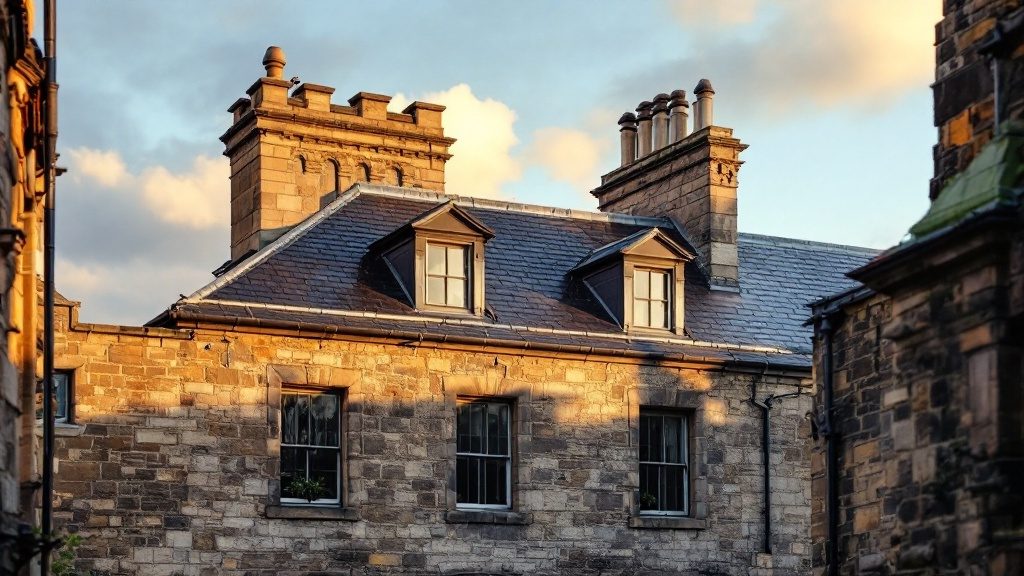
If you own a flat or house in Edinburgh, there's a good chance a natural slate roof is quietly doing its job over your head. Done well, a Scottish slate roof can last a hundred years or more — but the day it starts to fail is rarely the day you find out. This guide explains what's actually up there, the problems we see most on Edinburgh tenements, and how to tell a small repair from a full re-roof.
What makes a Scottish slate roof special
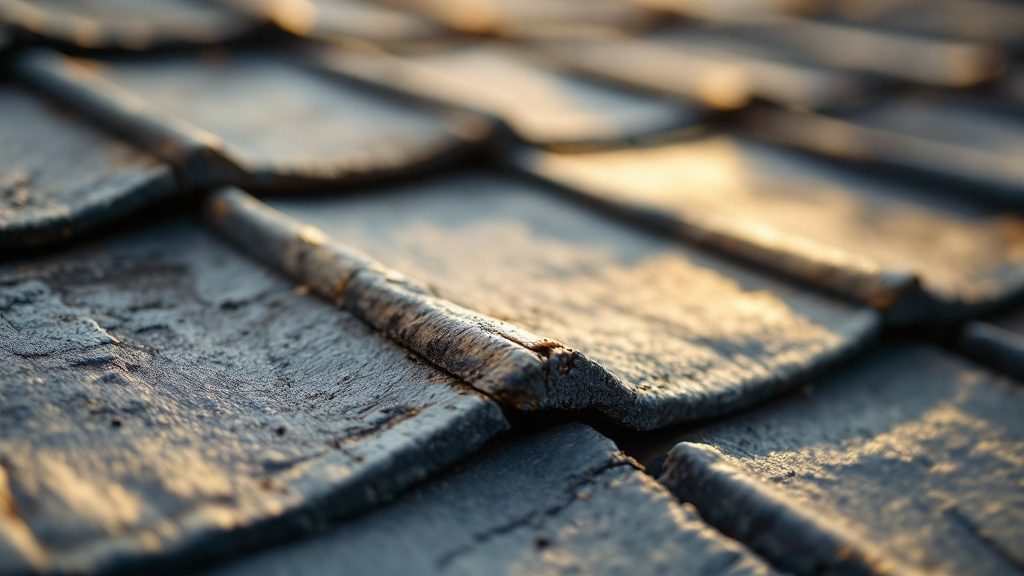
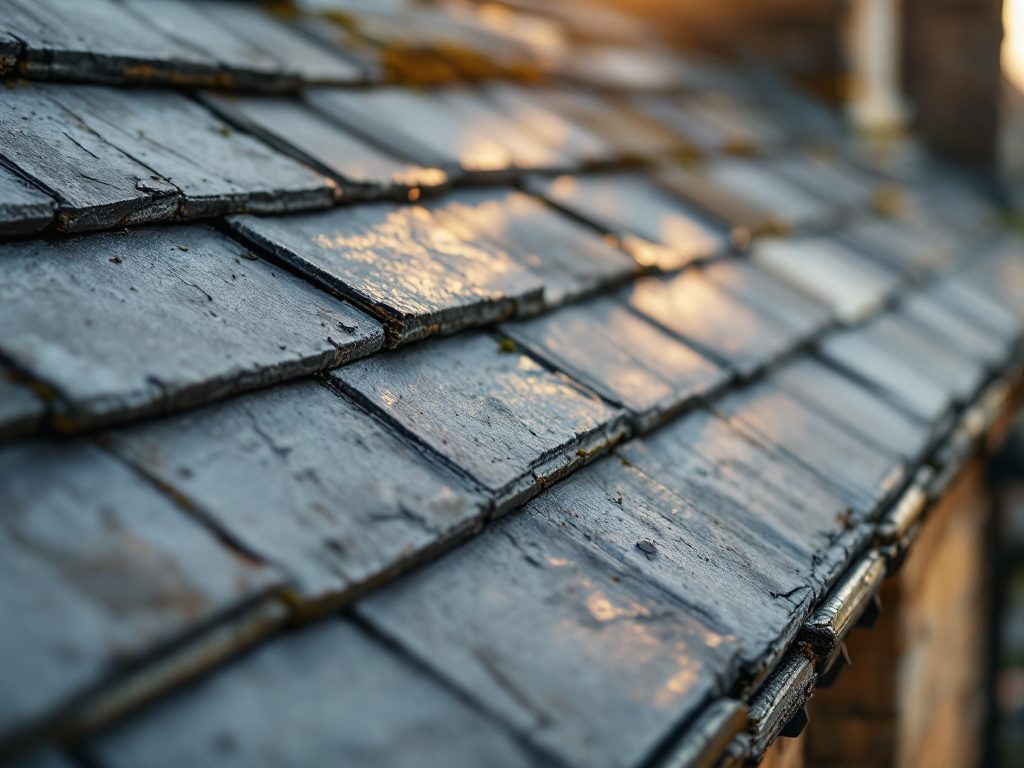
Most of Edinburgh's traditional roofs are covered in natural slate — historically Scotch slate from quarries at Ballachulish and the Highland Boundary, and later Welsh and Spanish slate as the local quarries closed. Unlike modern concrete tiles, natural slate is riven by hand and nailed in overlapping courses, each course covering the fixings of the one below. It's a beautifully simple system: gravity and overlap keep the water out, not sealant.
That's also why slate roofs reward proper maintenance and punish neglect. There's no membrane doing the heavy lifting underneath the older stock — the slate is the waterproofing. Keep the slates sound and the nails holding, and the roof lasts generations. Let a few slip and water finds the timber fast.
Why slates slip: the usual culprit is "nail sickness" — the original iron nails corrode and lose their grip after 80–100 years, so slates start sliding even though the slate itself is perfectly good. On a roof that age, it's the fixings that have failed, not the material.
The problems we see most on Edinburgh tenements
Tenement roofs bring their own quirks. They're shared, they're steep, they're often four storeys up, and a single fault can send water through several flats before anyone spots a stain. These are the issues our survey crew flags week in, week out:
- Slipped & missing slates — the classic sign of nail sickness. One gap can wet a rafter every time it rains.
- Failed lead flashings & valleys — where the roof meets chimneys, walls and valleys, old or split lead is the number-one leak point on Edinburgh roofs.
- Cracked or eroded ridge cement — hard cement mortar on ridges and skews cracks with age and lets water track in behind.
- Blocked or broken cast-iron gutters — overflowing rainwater goods soak the stonework and rot the sarking behind.
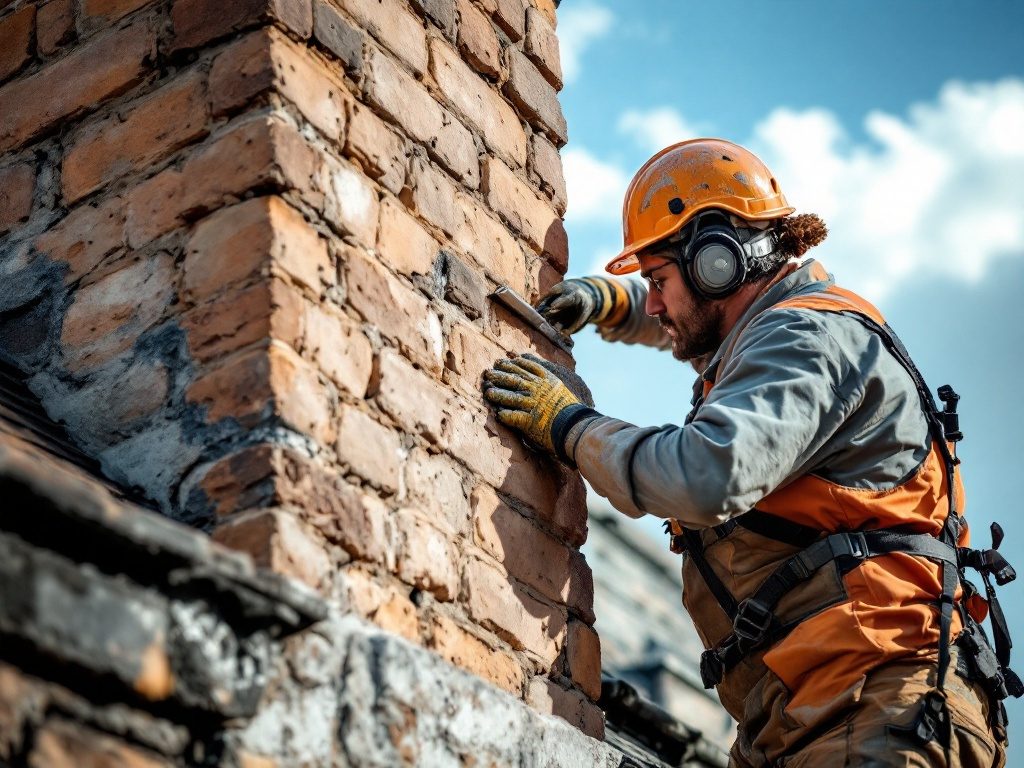
- Open chimney stacks & failed pointing — tall Victorian stacks take the worst of the weather and are easy to ignore until the pointing washes out.
None of these are dramatic on their own. The danger is that they're all invisible from the pavement — which is exactly why a proper look at the roof matters before a minor fault becomes a rotten structure.
The Castlerock way: we survey by drone first — no scaffolding, no guesswork. You get the actual close-up footage of your own roof alongside a fixed, itemised quote. The half-price drone survey — just £60 (usually £120), and fully refundable against your works whether or not you go ahead.
Repair or re-roof? How to tell
This is the question homeowners ask us most, and the honest answer is: it depends on why the slates are failing. A handful of slipped slates on an otherwise sound roof is a repair. A roof shedding slates all over because every nail is corroding is telling you its working life is up. Here's the rough guide we use.
Fix it and move on
- A few slipped or broken slates in one area
- One tired lead valley or a cracked flashing
- Localised storm damage after high winds
- The slate itself is still hard and sound
Renew the whole slope
- Slates slipping across the whole roof (nail sickness)
- Slates delaminating, flaking or crumbling in the hand
- Sagging sarking or daylight through the roof space
- You're patching the same roof every winter
A good roofer will always tell you when a repair is the right call — re-roofing a slope that only needs a dozen slates isn't craftsmanship, it's an upsell. On a listed or traditional building, a re-roof also means matching the original slate and detailing to Historic Environment Scotland conservation practice, so it's worth getting right.
What the work typically costs
Every roof is different, but honest ballpark figures help you plan. These are our fixed Edinburgh prices, quoted in writing before we start — no day-rate surprises.
Five maintenance habits that add decades
A slate roof asks very little in return for lasting a century — but that little bit matters. Keep on top of these and you'll almost always be in "repair", never "re-roof":
- Clear your gutters twice a year. Autumn leaves and moss dam up cast-iron gutters fast, and overflow rots the stonework and sarking behind.
- Look up after every storm. A quick glance for slipped slates or a fallen ridge tile from the street can save a soaked ceiling.
- Fix one slate now, not five later. A single slipped slate is a same-day job; the water damage it causes is not.
- Keep the lead in good order. Flashings and valleys are the hardest-working parts of the roof — renew tired lead before it splits.
- Get a survey every few years. A drone pass every three or four years catches the slow problems while they're still cheap.
A roof isn't a product you sell. It's a promise that the family underneath stays dry for the next fifty years.
Whether it's a single slipped slate in Marchmont or a full conservation re-slate on a New Town townhouse, the principle is the same: get it right the first time, use the right materials, and leave the building better than you found it. That's what keeps Edinburgh's rooftops standing.